


منتشر شده: جمعه, ۲ ژانویهٔ ۲۰۲۶
اصلاح شده: جمعه, ۲ ژانویهٔ ۲۰۲۶

Complutense University of Madrid Uses Acniti Nanobubbles to Remove Emerging Contaminant
Enhancing Wastewater Treatment: UCM Research Leverages Acniti Nanobubble Technology
As environmental regulations tighten and the prevalence of emerging contaminants rises, traditional wastewater treatment plants (WWTPs) are under increasing pressure to improve efficiency. A compelling new study from the Complutense University of Madrid (UCM) highlights how nanobubble technology can bridge this gap, offering a powerful retrofit solution for existing infrastructure.
The research, titled "Nanobubble technology to extend the limits of water treatment removal of emerging contaminants," was conducted by the UCM Research Group on Cellulose, Paper, and Advanced Water Treatments. Their work focuses on a critical hypothesis: that integrating nanobubbles into primary, secondary, and tertiary treatments can significantly enhance the removal of recalcitrant pollutants without requiring massive capital investments.
The Science Behind the Solution

The UCM team identified several key mechanisms where nanobubbles (<200 nm) excel. Unlike standard aeration, nanobubbles possess unique colloidal properties, high stability, and a negative surface charge. These features allow them to:
Powered by Acniti

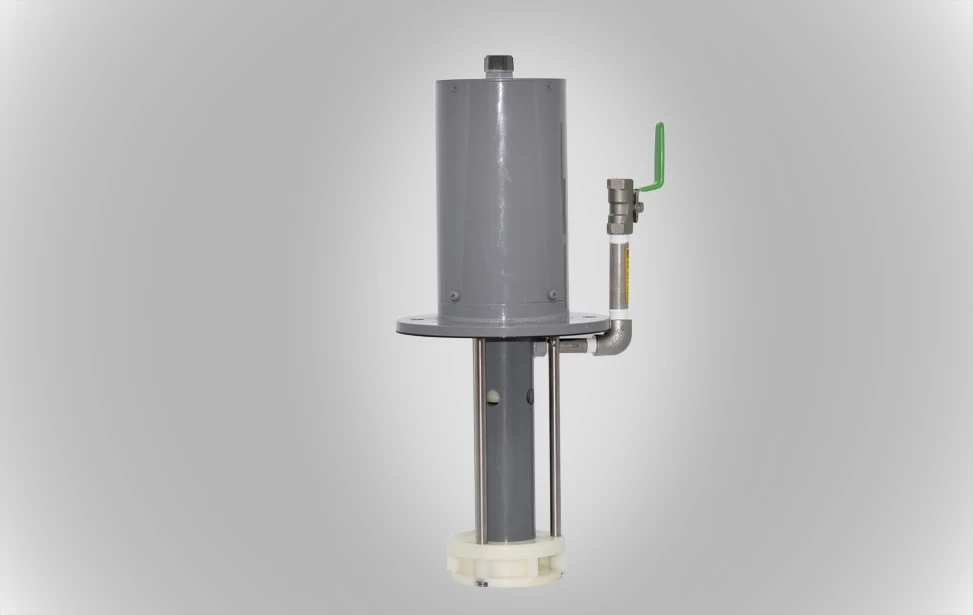
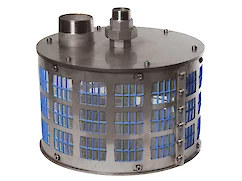
We are proud to note that this cutting-edge research was developed using Acniti technology. The UCM group operates an Acniti MicroStar nanobubble generator, integrating it into various systems such as photocatalysis and dissolved air flotation (DAF).
The MicroStar unit's flexibility enables versatile applications, including nano-ozonation. As noted in the study, nanobubbles can improve the effectiveness of ozone treatment while reducing the required dosage and operational costs. For facilities looking to replicate these advanced oxidation results, the Acniti MicroStar Ozone is engineered to maximize gas transfer efficiency and oxidation potential in compact setups.
A Sustainable Future for Water Treatment
The UCM study concludes that nanobubble technology is a versatile, low-energy solution that enhances current processes. It offers WWTPs a path forward to handle emerging contaminants sustainably.
To dive deeper into the technical data and methodologies used by the researchers, you can read the full PDF article here: Read the full UCM Research Paper.